
The modern office culture in Indian startups has changed quickly over the past decade. Today’s workplaces look very different from traditional offices. Young entrepreneurs, fast technology growth, and flexible work styles have transformed how teams work. In this guide, you will learn how Indian startups shape a new kind of office culture. This article explains the values, work environment, communication style, challenges, and future of this modern culture.
What Makes Modern Startup Culture Different?
Indian startups follow a fresh mindset. Their work culture focuses on speed, innovation, and flexibility. Compared to old corporate setups, startup teams work with fewer rules and more creativity.
Here are the biggest differences:
-
Less hierarchy
-
Fast decisions
-
Open communication
-
Collaborative teamwork
-
High-energy environment
-
Flexible schedules
-
Skill-based growth
This shift attracts young talent who want freedom, purpose, and a modern office experience.
Flat Hierarchy and Open Communication
Traditional companies depend on long approval chains. But modern startups keep their structure flat. Team members talk directly to founders or managers. This creates trust and speed.
Key Features:
-
Anyone can share ideas
-
Quick problem-solving
-
No unnecessary levels of authority
-
Employees feel respected
Open communication helps teams stay aligned and motivated. Most startups use tools like Slack, Notion, or Microsoft Teams to keep work transparent.
Flexible Work Hours and Hybrid Models
The modern office culture in Indian startups strongly supports flexibility. Employees focus on results, not fixed working hours. Many startups now follow hybrid models after the rise of remote work.
Benefits:
-
Better work-life balance
-
More comfort and productivity
-
Reduced travel stress
-
Higher job satisfaction
Flexibility helps teams stay happier and more focused on outcomes.
Creative and Youthful Workspaces
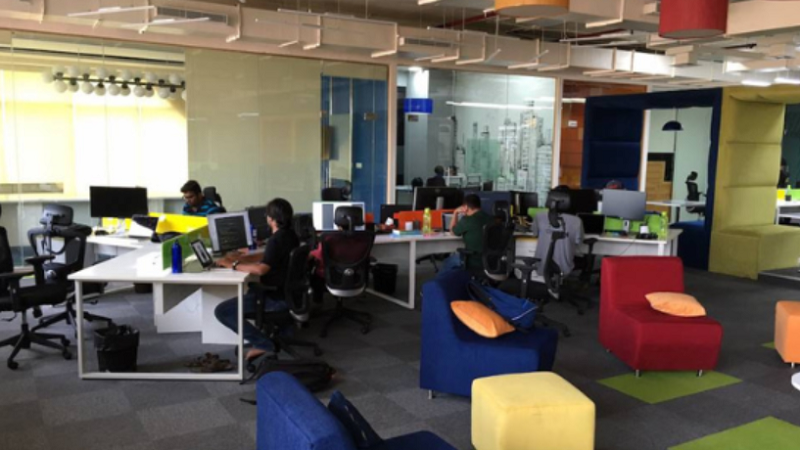
When you enter a startup office, you often see colorful walls, bean bags, open seating, and creative corners. This is very different from old-style cubicles.
Common workspace elements:
-
Open floor design
-
Collaboration zones
-
Gaming areas
-
Cafés and lounges
-
Plants and natural light
-
No fixed desks
These designs increase creativity and make employees feel relaxed while working.
Emphasis on Skills, Not Degrees
Startups care more about skills than formal qualifications. Employees grow fast because talent matters more than experience. A 22-year-old with strong skills can lead a big project.
Why this works:
-
Faster learning
-
Practical decision-making
-
Freedom to experiment
-
Young talent feels valued
This mindset creates a culture of confidence and motivation.
Continuous Learning and Upskilling
Modern startups encourage learning every day. Online courses, workshops, and team training sessions are common. Leaders understand that upskilling keeps teams competitive.
Popular ways of learning:
-
Weekly training
-
Mentorship sessions
-
Online certifications
-
Hackathons
-
Leadership workshops
This culture helps employees grow personally and professionally.
Strong Team Bonding and Company Events
Indian startups build strong relationships within teams. Whether it is a Friday game night or an outdoor team trip, bonding activities are part of the culture.
Common activities:
-
Team dinners
-
Festival celebrations
-
Game sessions
-
Wellness programs
-
Off-site trips
These help employees feel like part of a community, not just a company.
Fast-Paced and High-Energy Environment
Startups grow quickly. This rapid growth needs fast decisions and quick problem-solving. Employees often handle multiple tasks. This environment creates high energy and excitement.
Work style:
-
Fast execution
-
Experimentation
-
Short deadlines
-
Quick learning
Teams enjoy this speed because it keeps them active and engaged.
Performance-Based Growth and Rewards
In traditional companies, promotions take years. In modern startups, growth depends on performance, not seniority.
Rewards include:
-
Rapid promotions
-
Salary hikes
-
Bonuses
-
Stock options (ESOPs)
-
Leadership opportunities
Employees who prove their value move up quickly. This boosts motivation and loyalty.
Diversity, Inclusion, and Modern Values
Indian startups welcome diversity. They hire people from different regions, backgrounds, and genders. They also promote work ethics such as respect, equality, and kindness.
Common values:
-
Inclusive culture
-
Zero tolerance for discrimination
-
Supporting women in leadership
-
Mental health awareness
This new culture creates a healthy and respectful workplace.
Challenges in Modern Startup Culture
Even with progress, Indian startups face challenges.
Common issues:
-
Long working hours
-
High pressure
-
Quick burnout
-
Unstable job security in early-stage startups
-
Fast changes in roles
However, many companies are improving policies to support employee well-being.
The Future of Office Culture in Indian Startups
The future looks modern and employee-centered. Here’s what to expect:
-
More remote jobs
-
AI-powered workplaces
-
Strong mental health support
-
Clear career growth paths
-
Smarter, tech-driven offices
-
More focus on sustainability
Startup culture will continue to evolve as technology and employee needs change.
Conclusion
The modern office culture in Indian startups represents freedom, creativity, speed, and innovation. Employees enjoy flexibility, open communication, and skill-based growth. Although the environment can be fast and demanding, it gives teams the chance to learn, lead, and grow quickly. As startups continue to rise across India, their modern culture will shape the future of work for the entire country. More Information