
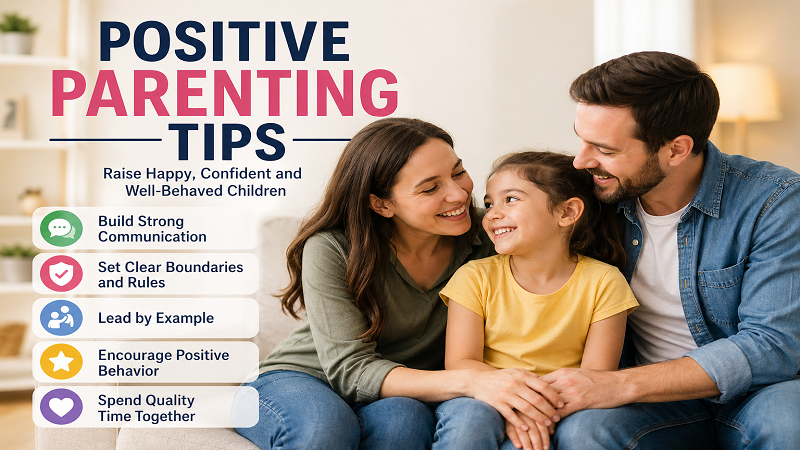
Parenting is one of the most important responsibilities in life. It shapes a child’s personality, emotional strength, behavior, and future success. In today’s fast-changing world, where children are exposed to technology, social pressure, and academic competition, famousparenting.com has become more important than ever.
This guide explains what positive parenting is, why it matters, and practical strategies you can use to raise confident, responsible, and emotionally healthy children.
What is Positive Parenting?
Positive parenting is a parenting approach that focuses on respect, understanding, communication, and guidance instead of punishment or fear-based discipline.
It encourages parents to:
- Build a strong emotional connection with their children
- Understand their child’s feelings and behavior
- Teach discipline through guidance rather than punishment
- Encourage independence and responsibility
The goal is not just obedience, but raising emotionally intelligent and confident individuals.
Why Positive Parenting Matters
Children grow in environments that shape their mindset and behavior. Positive parenting helps create a safe and supportive atmosphere where children can thrive.
Key Benefits:
1. Strong Emotional Development
Children learn to express and manage their emotions in a healthy way.
2. Better Confidence and Self-Esteem
Supportive parenting helps children believe in themselves and their abilities.
3. Improved Behavior
Instead of fear, children learn discipline through understanding and consistency.
4. Strong Parent-Child Relationship
Trust and open communication strengthen family bonds.
Effective Positive Parenting Tips
Build Strong Communication
Communication is the foundation of every healthy relationship.
How to practice it:
- Listen to your child without interrupting
- Maintain eye contact during conversations
- Validate their feelings instead of ignoring them
Example:
Instead of saying “Stop crying”, say:
✔ “I can see you are upset. Tell me what happened.”
Set Clear and Consistent Boundaries
Children need structure to feel safe and secure.
Important areas to set rules:
- Screen time limits
- Study and homework routine
- Bedtime schedule
Consistency is key. Changing rules frequently confuses children and reduces discipline effectiveness.
Discipline Without Harsh Punishment
Positive parenting avoids yelling and physical punishment.
Better approach:
- Stay calm during conflicts
- Explain consequences clearly
- Use time-out as reflection, not punishment
Example:
If a child breaks something, instead of shouting, explain the value of responsibility and how to be more careful next time.
Be a Role Model
Children learn more from what they see than what they are told.
If parents:
- Show respect
- Stay calm under pressure
- Speak honestly
Children naturally adopt these behaviors.
Encourage Positive Behavior
Instead of focusing only on mistakes, appreciate good behavior.
Ways to do this:
- Verbal praise like “Good job” or “Well done”
- Small rewards for achievements
- Appreciation and encouragement
This motivates children to repeat positive actions.
Teach Emotional Intelligence
Helping children understand emotions is essential for their long-term success.
Teach them:
- How to manage anger
- How to handle sadness
- How to show empathy toward others
Emotionally intelligent children build stronger relationships in life.
Spend Quality Time Together
Busy schedules should not reduce family bonding time.
Simple ideas:
- Daily 15–20 minutes of conversation
- Weekend family activities
- Playing games together
Quality time strengthens trust and emotional connection.
Encourage Independence
Overprotecting children can limit their growth.
Allow them to:
- Make small decisions
- Solve simple problems
- Take responsibility for their actions
This builds confidence and decision-making skills.
Common Parenting Mistakes to Avoid
- Constant yelling or shouting
- Comparing children with others
- Being too strict or too lenient
- Ignoring children’s feelings
- Focusing only on academic performance
Avoiding these mistakes helps create a healthier and more supportive environment.
How to Handle Difficult Situations
Tantrums
Stay calm and avoid reacting emotionally. Let the child settle, then talk calmly.
Screen Addiction
Set clear screen time rules and encourage outdoor activities.
Disobedience
Explain consequences and stay consistent with rules instead of reacting emotionally.
Final Thoughts
Positive parenting is not about being a perfect parent. It is about being a consistent, patient, and understanding guide in your child’s life.Children grow best in environments filled with love, respect, and clear boundaries. When parents focus on connection instead of control, children become more confident, responsible, and emotionally strong.
Remember:
Children may forget what you said, but they will always remember how you made them feel. Click here