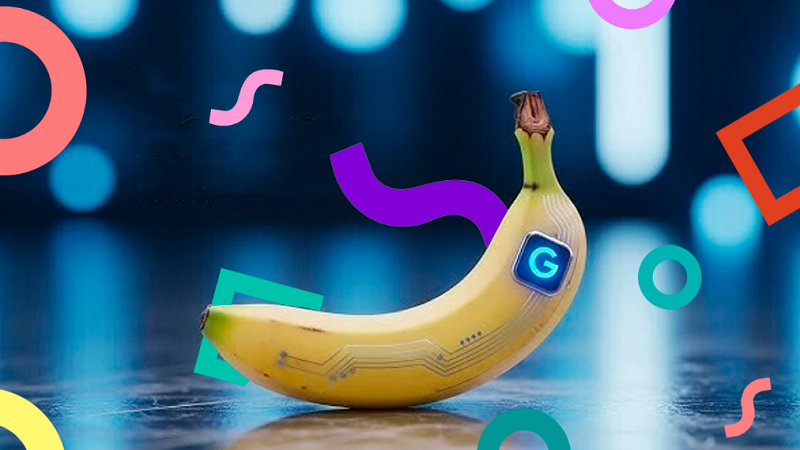
In the rapidly evolving landscape of digital content creation, one name is emerging as a beacon of what the future holds for simple, accessible generative technology: nano banana ai. From its intuitive prompt-based interface to its powerful image generation capabilities, Nano Banana represents more than a quirky name—it embodies a shift in how creators, brands, and everyday users approach creative workflows. Central to this innovation is Nano Banana Pro, a next-generation AI image generator and editor powered by Gemini 3.0 Pro, that delivers sharper resolutions, faster outputs, and consistent results without the complexity traditionally associated with high-end design tools.
Platforms like Invideo have started integrating this technology. As a result, users can generate and edit professional quality images inside their creative ecosystem. Moreover, this system connects still visuals with powerful multimedia tools such as AI video apps.
Because of this integration, content creation becomes faster and more efficient. In addition, it helps beginners create high quality visuals without complex learning. At the same time, professionals can use advanced features to improve their projects. Therefore, this technology sets a new standard for simple yet powerful content tools. It stays accessible, flexible, and suitable for many creative needs.
A New Paradigm in Creative Content Tools
For decades, content creation tools—especially those used for producing high-quality visuals—were dominated by complex software requiring extensive training and expertise. Designers invested countless hours mastering layers, brushes, masks, and correction tools. Meanwhile, brands without dedicated creative teams were often resigned to generic stock imagery or expensive outsourcing.
Nano Banana upends that paradigm. At its core, nano banana ai leverages natural language prompts to generate and edit images with remarkable fidelity. Users no longer need to manipulate pixels manually. Instead, they describe what they want, and the AI interprets, generates, and refines the output—all guided by underlying models like Google’s Gemini 3.0 Pro.
This fundamental shift—where creative intention is captured through language and executed by AI—democratizes visual content creation. Suddenly, the barrier to entry is no longer technical skill, but creative imagination. Whether a brand marketer wants a crisp product visual for a campaign, or a social media manager needs a dynamic image for a story post, Nano Banana’s simplicity means anyone can produce professional-grade visuals without steep learning curves.
Powered by Gemini 3.0 Pro: A Leap in Image Generation
At the heart of Nano Banana’s innovative capabilities is its integration with Google’s Gemini 3.0 Pro image model. This isn’t just another incremental upgrade of AI image generation; it signals a qualitative leap forward in how AI interprets and executes creative instructions. Nano Banana Pro delivers:
- Sharper 4K resolution imagery, enabling high-fidelity visuals suitable for large print, digital posters, and detailed branding materials.
- Faster generations, reducing wait times and accelerating the creative iteration cycle.
- Better character consistency, ensuring that repeated elements (like brand mascots or recurring characters) retain visual identity across multiple outputs.
- Advanced text rendering, meaning that logos, slogans, and other text elements appear crisp, legible, and integrated into the design rather than awkwardly pasted on.
This combination elevates Nano Banana far beyond hobbyist tools. It is now capable of producing imagery that rivals traditional design software, without requiring their technical overhead. For creators and brands, this means a dramatic reduction in resources, time, and cost, while widening the breadth of what can be achieved with minimal effort.
The Power of Simplicity
What truly makes Nano Banana significant is not just what it can do, but how it does it. Unlike traditional design tools, where learning curves can span months or years, Nano Banana empowers users through simplicity. Designers and first-time creators alike can simply input a prompt describing their vision—such as “a vibrant 4K poster of a futuristic product launch scene, rich lighting and realistic shadows”—and let the AI execute it.
Behind this ease of use is sophisticated reasoning. Nano Banana doesn’t just generate patterns of pixels; it understands context, spatial relationships, lighting, and composition. In practical terms, that means users don’t have to specify every detail. Instead, they describe their intent, and the model fills in the artistic and structural gaps with intelligent results that feel intentional and well-crafted.
This simplicity doesn’t equate to superficial results. On the contrary, the outputs can be rich, detailed, and tailored to specific use cases—whether that’s e-commerce product banners, editorial visuals, social media imagery, or conceptual art.
Bridging Static and Dynamic Creativity
Nano Banana’s partnership with platforms like invideo is especially exciting because it reflects how simple AI tools are converging toward comprehensive creative ecosystems. Invideo itself is a powerful platform for video content creation, particularly with its growing suite of ai video apps that streamline video generation, editing, and multimedia storytelling. When paired with Nano Banana’s image capabilities, creators gain not just a tool for still visuals, but a bridge into dynamic media as well.
Imagine a brand campaign where key visuals—hero images, product highlights, character assets—are generated in Nano Banana and then immediately incorporated into motion graphics, animated stories, or interactive social ads via invideo’s app suite. These tools, working in tandem, make it possible to develop a cohesive visual narrative from static concept to animated execution—all within the same creative workflow.
This is more than convenience. It symbolizes a future where AI doesn’t fragment creative tasks across disparate tools, but brings them into unified pipelines where content flows seamlessly from idea to execution. For designers, content strategists, and brand teams, this integration means faster turnaround, lower costs, and greater creative alignment across visual touchpoints.
Why This Matters for the Future of Content Tools
The emergence of Nano Banana as a leading image-generation tool conveys several broader trends that point to the future of creative technology:
- Lowering the Barrier to Creativity: Traditional creative tools often exclude non-technical users. Nano Banana flips that narrative, making content creation accessible to virtually anyone with a vision.
- Efficiency at Scale: Brands no longer need large design teams for every visual need. AI tools like Nano Banana save time and resources, enabling leaner teams to deliver professional outcomes.
- Integration with Multimedia Workflows: The rise of ai video apps and multimedia platforms that incorporate image and video generation showcases how AI is unifying creative domains rather than keeping them siloed.
- Consistent Brand Identity: Character consistency and advanced prompt adherence ensure that visual elements remain coherent across seasons, campaigns, and content formats—a vital need in today’s omnichannel branding world.
- Rapid Innovation Cycle: Simple AI tools encourage experimentation. Users can iterate quickly, testing ideas and refining creative strategies in real time—something that was historically expensive and slow.
These trends are not isolated features—they reflect a fundamental shift toward tools that lower barriers, amplify human creativity, and integrate AI seamlessly into the creative process.
Imagining a World Where Creativity Is Universal
Nano Banana’s strategic design—accessible, intuitive, and deeply capable—points toward a broader vision of the future: one where expressive tools are no longer gatekept by technical expertise. Whether a student experimenting with design projects, a freelance marketer building brand campaigns, or an established creative agency innovating at scale, the principles that Nano Banana embodies will increasingly define what content tools look like in the years ahead.
In this future, creativity doesn’t require specialized skills, expensive software, or steep learning curves. Instead, intuitive AI becomes an extension of the creator’s mind—an assistant that amplifies ideas, refines expression, and produces professional results with unprecedented speed and accessibility.
That vision is not distant. It’s here now, as evidenced by nano banana ai and its integration into platforms that bridge still and dynamic media, like ai video apps. Together, they paint a picture of a future where creative tools are not obstacles, but catalysts—propelling ideas to life with the power of AI.